


On-Site vs Furnace Heat Treatment
27th February 2026
Selecting the correct heat treatment method can have a significant impact on project timelines, costs and overall risk. Both on-site heat treatment and furnace processing offer clear advantages depending on the application, component size and project constraints.
Understanding when to use each approach helps engineers and project managers avoid unnecessary delays and expense.
When Furnace Heat Treatment Is Best
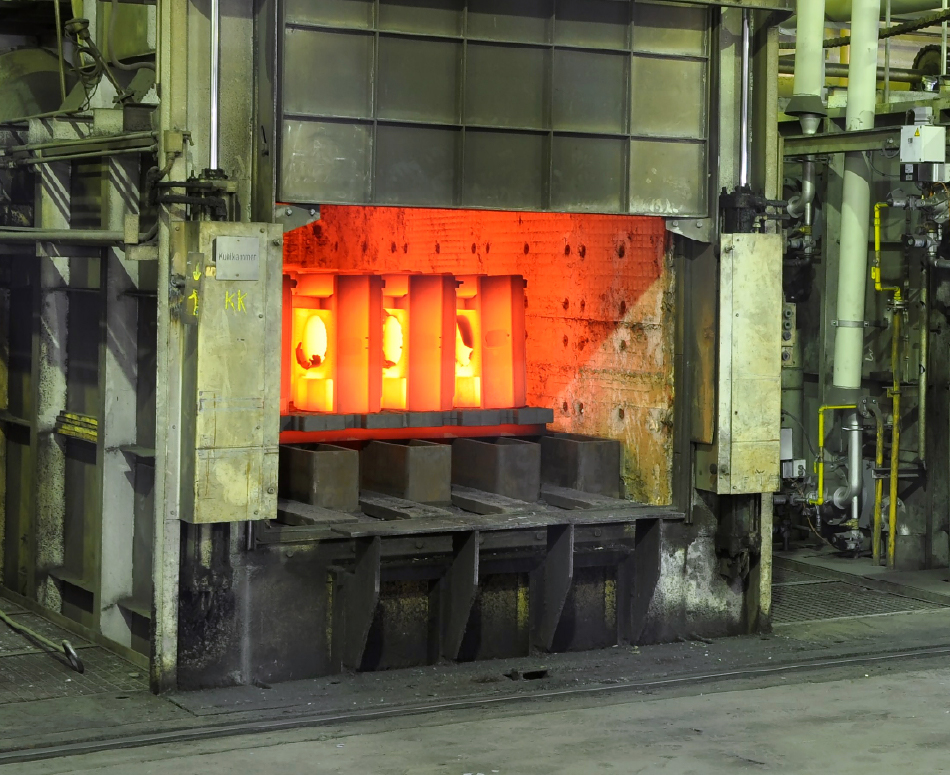
Furnace heat treatment is typically preferred where components can be easily transported and tight process control is required.
It is commonly used for:
Smaller fabricated components
Batch production work
Precision-critical parts
Furnace environments provide excellent temperature uniformity and repeatability, making them well suited to controlled manufacturing processes.
When On-Site Heat Treatment Is the Better Option
For many heavy industrial projects, transporting components to a furnace is impractical. In these cases, on-site heat treatment provides a flexible and efficient solution.
Typical applications include:
Large pressure vessels
Site-installed pipework
Refinery or power plant shutdowns
Emergency repair work
Carrying out heat treatment on site allows work to be completed without removing equipment, helping reduce downtime and logistical complexity.
Choosing the Right Approach
When deciding between on-site and furnace heat treatment, factors such as component size, site access, turnaround time and project schedule should all be considered.
Many complex projects benefit from a combination of both methods. Working with a provider that offers both furnace capability and fully mobile on-site services ensures the most efficient solution can be used.
Contact Thermal Hire to discuss the best heat treatment approach for your project.


